
Fire Safety Inspection Prep: Essential Steps for Your Home
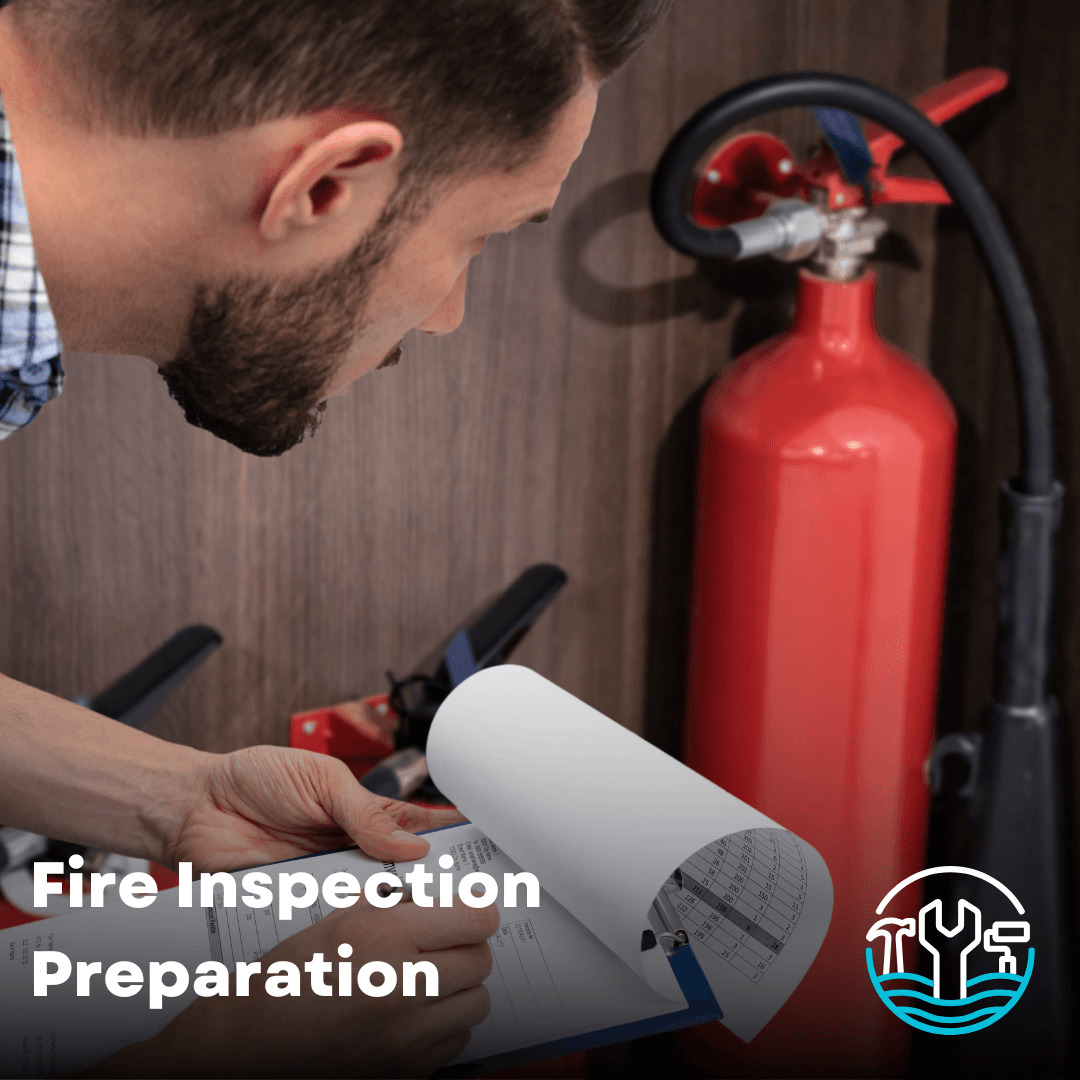
Ensuring your home is prepared for a fire safety inspection is crucial for the safety of your household and property. Regular inspections help identify potential hazards and ensure compliance with fire safety standards. This guide provides a comprehensive checklist to help you prepare effectively.
1. Install and Maintain Smoke Alarms
- Placement: Install smoke alarms on every level of your home, including inside and outside sleeping areas. Ensure they are positioned away from drafts that could interfere with their operation.
- Maintenance: Test smoke alarms monthly and replace batteries at least once a year. Replace units that are over 10 years old to maintain optimal functionality.
2. Equip Your Home with Fire Extinguishers
- Accessibility: Place fire extinguishers in key areas prone to fires, such as the kitchen and garage.
- Knowledge: Ensure all household members know the location of extinguishers and are trained in their use.
3. Develop and Practice an Emergency Escape Plan
- Route Planning: Identify two exits from every room and ensure they are unobstructed.
- Regular Drills: Conduct fire drills twice a year to familiarize everyone with the escape routes and procedures.
- Meeting Point: Designate a safe location outside the home where everyone can gather after evacuating.
4. Ensure Clear and Accessible Exits
- Unobstructed Pathways: Keep hallways, staircases, and doors free from clutter to allow quick and safe evacuation.
- Functional Doors and Windows: Regularly check that all exits open easily and are not sealed or painted shut.
5. Maintain Heating Equipment and Appliances
- Regular Servicing: Have your furnace, chimney, and other heating appliances inspected and cleaned annually by professionals.
- Safety Clearances: Keep flammable materials at least three feet away from heating equipment.
6. Practice Safe Cooking Habits
- Supervision: Never leave cooking food unattended, especially when frying or grilling.
- Clutter-Free Cooking Area: Keep flammable items like towels and paper away from the stovetop.
- Grease Management: Regularly clean cooking surfaces to prevent grease buildup, which can ignite easily.
7. Store Flammable Materials Properly
- Safe Storage: Keep flammable liquids in approved containers and store them away from heat sources and out of children's reach.
- Declutter: Regularly dispose of unnecessary combustible materials, such as old newspapers and cardboard boxes.
8. Check Electrical Systems
- Cord Inspection: Ensure all electrical cords are in good condition, without fraying or exposed wires.
- Outlet Usage: Avoid overloading outlets and use power strips with surge protectors when necessary.
- Professional Assessment: Have a licensed electrician inspect your home's wiring periodically to identify and rectify potential hazards.
9. Install Carbon Monoxide Alarms
- Placement: Install carbon monoxide alarms on each level of your home, particularly near sleeping areas.
- Maintenance: Test alarms monthly and replace units according to the manufacturer's guidelines, typically every 5-7 years.
10. Prepare Documentation for Inspectors
- Maintenance Records: Keep records of all maintenance and inspections of fire safety equipment.
- Accessibility: Ensure these documents are organized and readily available for review during the inspection.
By diligently following this checklist, you can enhance your home's safety and be well-prepared for a fire safety inspection. Regular maintenance and proactive measures are key to preventing fires and ensuring the well-being of all occupants.